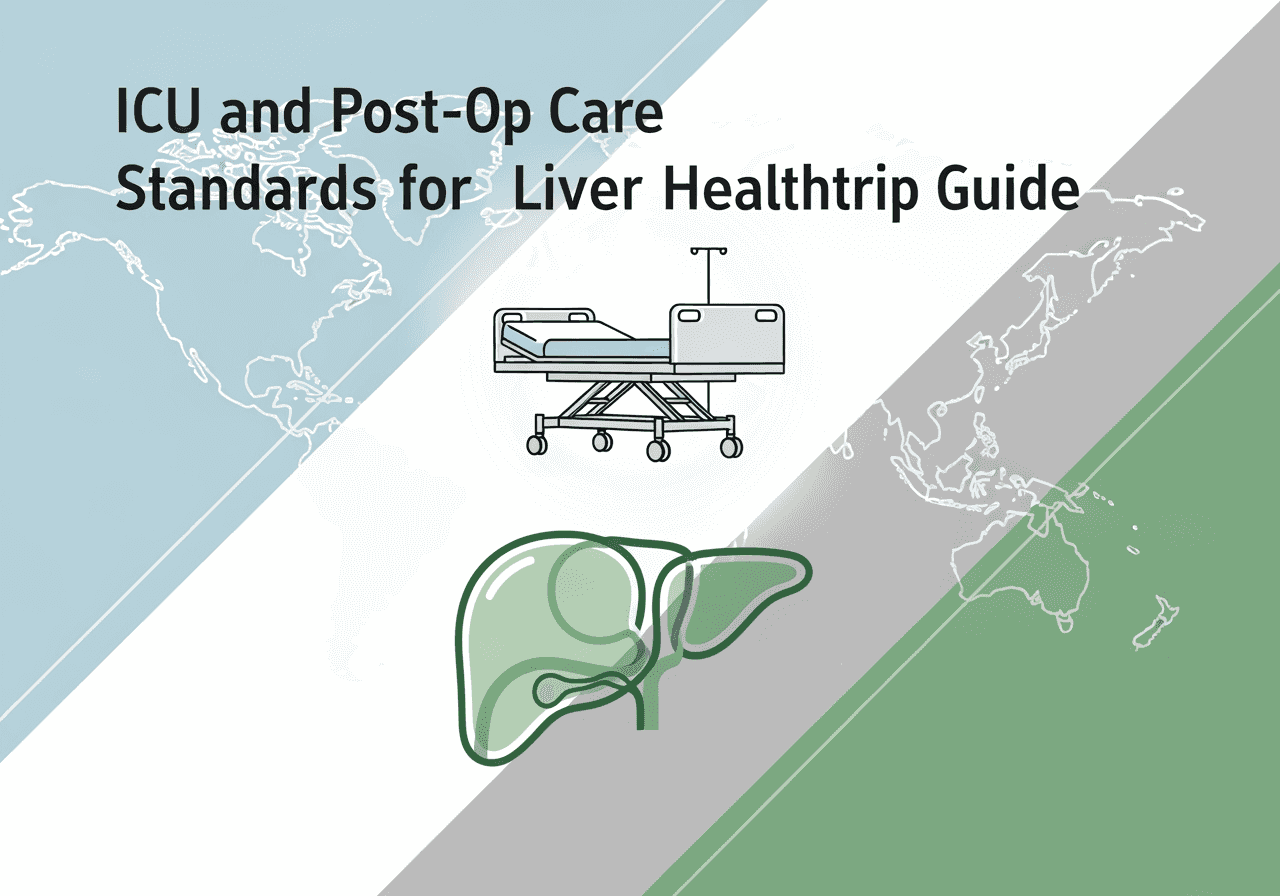
ICU and Post-Op Care Standards for Liver Transplant Healthtrip Guide
10 Apr, 2026
 Healthtrip
- Importance of ICU and Post-Op Care in Liver Transplant Recovery
- The Intensive Care Unit (ICU) Journey Post-Liver Transplant
- Standard Post-Operative Care Beyond the ICU
- Recognizing and Managing Post-Transplant Complications
- Selecting a World-Class Center for Your Liver Transplant Healthtrip (e.g., Fortis Memorial Research Institute, Gurgaon; Mount Elizabeth Hospital, Singapore; Helios Klinikum München West, Germany; Memorial Bahçelievler Hospital, Turkey; NMC Royal Hospital, Dubai)
- Preparing for Your Liver Transplant Healthtrip: Practical Advice for Patients and Caregivers
- Conclusion: Navigating the Path to Long-Term Well-being
Most popular procedures in India

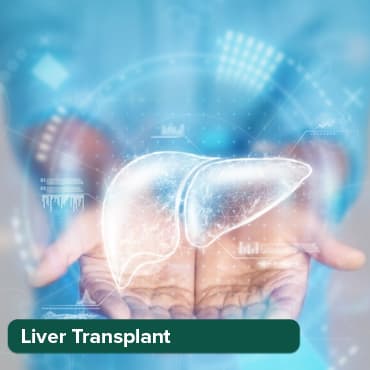
Importance of ICU and Post-Op Care in Liver Transplant Recovery
Undergoing a liver transplant is nothing short of a medical marvel, a profound journey that offers a second chance at life. But let's be real, the moment the surgery concludes, the true marathon begins: recovery. It’s a common misconception that once the new liver is in place, the hardest part is over. In truth, the immediate aftermath, meticulously managed within the Intensive Care Unit (ICU) and subsequent post-operative care, is just as critical—if not more so—to ensuring the long-term success of the transplant. This isn't merely about healing incisions; it's about stabilizing a body that has undergone immense trauma, preventing complications, and kickstarting the reintegration of a healthy liver into a new system. The sheer complexity demands an experienced, vigilant medical team and state-of-the-art facilities, a standard upheld by institutions like the renowned Fortis Memorial Research Institute, Gurgaon, which Healthtrip proudly partners with, understanding that the quality of this post-op phase dictates the patient’s future well-being and longevity. Neglecting any aspect of this crucial period can unravel the surgical success, transforming hope into heartbreak, making meticulous, compassionate, and expert care absolutely non-negotiable for anyone embarking on this life-altering path.

Wellness Treatments
Give yourself the time to relax
Lowest Prices Guaranteed!

Lowest Prices Guaranteed!
The Intensive Care Unit (ICU) Journey Post-Liver Transplant
Imagine waking up after hours of complex surgery, surrounded by a symphony of beeps and softly glowing screens. This is often the initial scene in the ICU for a liver transplant recipient, a critical environment designed for unwavering vigilance. Far from being a scary place, the ICU is your temporary sanctuary, where a highly specialized team of intensivists, transplant surgeons, nurses, respiratory therapists, and pharmacists work in seamless concert, monitoring every flicker of your new liver's activity and your body's response. You’ll likely have several lines and tubes initially—don't fret, each serves a vital purpose, from intravenous medications and fluid management to close monitoring of blood pressure, heart rate, and internal drainage. The goal here is simple yet profound: to ensure your new liver settles in beautifully, to keep infections at bay, manage pain effectively, and to prevent complications like bleeding or organ rejection. Early mobilization, even if it's just wiggling your toes or sitting up with assistance, starts remarkably quickly, paving the way for faster recovery. Hospitals such as Memorial Bahçelievler Hospital, accessible through Healthtrip, exemplify centers equipped with sophisticated ICUs and dedicated teams ready to guide you or your loved one through these most critical first steps, offering not just medical expertise but also a steady hand of reassurance in what can feel like an overwhelming time.
Standard Post-Operative Care Beyond the ICU
As your condition stabilizes and your new liver shows signs of robust integration, the journey gracefully transitions from the high-stakes environment of the ICU to a specialized transplant ward. This shift marks a significant milestone, a quiet victory in your recovery process. Here, the focus broadens from immediate critical care to preparing you for your return home, a phase brimming with patient education and rehabilitation. A dedicated team of doctors, nurses, dietitians, and physical therapists will meticulously guide you through managing your medications—especially the crucial immunosuppressants that prevent rejection—explaining their purpose, dosage, and potential side effects in simple, understandable terms. Physical therapy becomes a cornerstone, strengthening your body, helping you regain mobility, and rebuilding endurance that might have waned during your illness and surgery. Nutritional guidance ensures your body gets the right fuel for healing and long-term health. Moreover, psychological support is often integrated, acknowledging the emotional rollercoaster that accompanies such a life-altering event; talking through your feelings and fears is just as important as physical recovery. This comprehensive, holistic approach, offered by world-class institutions like Mount Elizabeth Hospital in Singapore, a trusted Healthtrip partner, ensures that patients not only recover physically but also mentally and emotionally, empowering them to embrace their renewed life with confidence and clarity, ready for the next chapter beyond the hospital walls.
787 patients from India choose this package for their Liver Transplant package

Also Read:
Recognizing and Managing Post-Transplant Complications
Liver transplant recovery is a marathon, not a sprint, and while the initial surgery is a monumental achievement, the journey through the post-operative phase is equally crucial, demanding vigilance and resilience. Patients and their loving caregivers become an essential part of the medical team, learning to recognize the subtle whispers of potential complications that, if left unattended, could disrupt the path to full recovery. The most common challenges include acute rejection, where the new liver is seen as a foreign invader by the body's immune system, and infections, as immunosuppressant medications, while vital, leave the body more vulnerable. Symptoms of rejection can be insidious, sometimes as vague as fatigue, a mild fever, or a change in liver function tests, emphasizing the need for regular monitoring and open communication with your transplant team. Infections, ranging from common colds to more serious viral or bacterial assaults, also require prompt attention. Beyond these, issues like bile duct complications or vascular problems, though less frequent, can arise, often signaling their presence through jaundice, abdominal pain, or changes in stool color. It’s an incredibly intense period, but understanding these possibilities isn't meant to instill fear; rather, it empowers you to be an active participant in your healing, ensuring that any deviation from the expected recovery is swiftly addressed by your expert medical team, giving you the best chance for long-term health. The emotional toll can be heavy, but remember, every concern you raise is a step towards safeguarding your precious new life.
Selecting a World-Class Center for Your Liver Transplant Healthtrip
Embarking on a liver transplant journey is perhaps one of the most significant decisions of a lifetime, and choosing the right medical facility is paramount, influencing not just the surgery's success but your entire recovery and long-term well-being. This is where Healthtrip becomes your invaluable partner, guiding you through the complex landscape of global healthcare to connect you with world-class centers renowned for their expertise in liver transplantation. When evaluating options for your Healthtrip, considering a center’s surgical volume, its success rates, and the depth of its multidisciplinary team – including hepatologists, surgeons, intensivists, and transplant coordinators – is non-negotiable. Technology plays a vital role, too, with state-of-the-art diagnostic and surgical equipment being a hallmark of excellence. For instance, reputable institutions like Fortis Memorial Research Institute, Gurgaon in India, or Mount Elizabeth Hospital in Singapore, are globally recognized for their advanced transplant programs, offering comprehensive care from evaluation to post-operative follow-up. Similarly, Germany’s Helios Klinikum München West, Memorial Bahçelievler Hospital in Turkey, or NMC Royal Hospital, DIP in Dubai stand out for their patient-centric approach and cutting-edge medical advancements. These hospitals, accessible through Healthtrip, not only perform complex procedures with precision but also provide robust support systems, ensuring a holistic health journey. Healthtrip assists you in navigating language barriers, accommodation, and appointment scheduling, allowing you to focus purely on your health and recovery, entrusting the logistical complexities to experienced hands who understand the gravity of your journey.
Also Read:
Preparing for Your Liver Transplant Healthtrip: Practical Advice for Patients and Caregivers
Preparing for a liver transplant Healthtrip involves more than just packing a suitcase; it requires meticulous planning, both practically and emotionally, for both the patient and their dedicated caregivers. For patients, compiling all relevant medical records, including test results, imaging, and a comprehensive list of current medications with dosages, is a critical first step. It's also wise to discuss potential dietary restrictions and activity limitations with your medical team beforehand, ensuring you arrive fully informed and ready. Mentally, preparing for a period of intense recovery and adapting to a new routine of medications and monitoring is crucial; cultivating patience, positive thinking, and a strong support system will be your greatest allies. Caregivers, often the unsung heroes of this journey, face their own set of preparations. This includes organizing travel logistics, understanding local accommodation options near the hospital, and familiarizing themselves with the hospital’s visitor policies. They also need to be prepared to manage practicalities like meal planning, medication schedules, and providing continuous emotional support, which can be exhausting but immensely rewarding. Healthtrip simplifies many of these burdens, offering assistance with visa applications, booking flights and comfortable lodging, and arranging local transportation, allowing caregivers to channel their energy into supporting their loved one. Our team ensures that communication with the medical staff is seamless, bridging any gaps and making your Healthtrip as smooth and stress-free as possible, so you can both focus on the ultimate goal: a successful transplant and a healthy new beginning.
Conclusion: Navigating the Path to Long-Term Well-being
The journey through a liver transplant, from the initial diagnosis to the intricate surgery and the demanding post-operative recovery, is a testament to human resilience and the marvels of modern medicine. It's a path filled with challenges, requiring unwavering commitment from patients, tireless dedication from caregivers, and unparalleled expertise from medical professionals. Yet, it is also a path brimming with hope, leading to a renewed chance at life, vibrant and full of possibilities. Understanding the nuances of post-transplant care, recognizing potential complications, and making informed choices about your healthcare provider are not merely steps; they are cornerstones of a successful outcome. With a world-class transplant center and a committed support system, the path to long-term well-being becomes not just achievable, but a reality you can embrace. Healthtrip stands as your dedicated companion throughout this profound journey, connecting you with leading hospitals and streamlining every logistical detail, so you can focus entirely on healing and recovery. We believe everyone deserves access to the best medical care, and by simplifying the complexities of international medical travel, we empower you to embark on this life-altering healthtrip with confidence and peace of mind. Remember, a liver transplant is not just a procedure; it's the beginning of a new chapter, and with the right care and support, that chapter can be your healthiest and most fulfilling yet.
Most popular wellness packages





Related Blogs

Discharge and Follow-Up Plan for Eye Surgery via Healthtrip
Plan eye surgery in India with Healthtrip: hospitals, doctors, visas,

Remote Consultation for Eye Surgery Before Travel with Healthtrip
Plan eye surgery in India with Healthtrip: hospitals, doctors, visas,

Comparing Packages for Eye Surgery Across Healthtrip Hospitals
Plan eye surgery in India with Healthtrip: hospitals, doctors, visas,
ICU and Post-Op Care Standards for Eye Surgery Healthtrip Guide
Plan eye surgery in India with Healthtrip: hospitals, doctors, visas,
Pre-Admission Checklist for Eye Surgery Patients via Healthtrip
Plan eye surgery in India with Healthtrip: hospitals, doctors, visas,

Top Doctors in India for Eye Surgery Through Healthtrip
Plan eye surgery in India with Healthtrip: hospitals, doctors, visas,