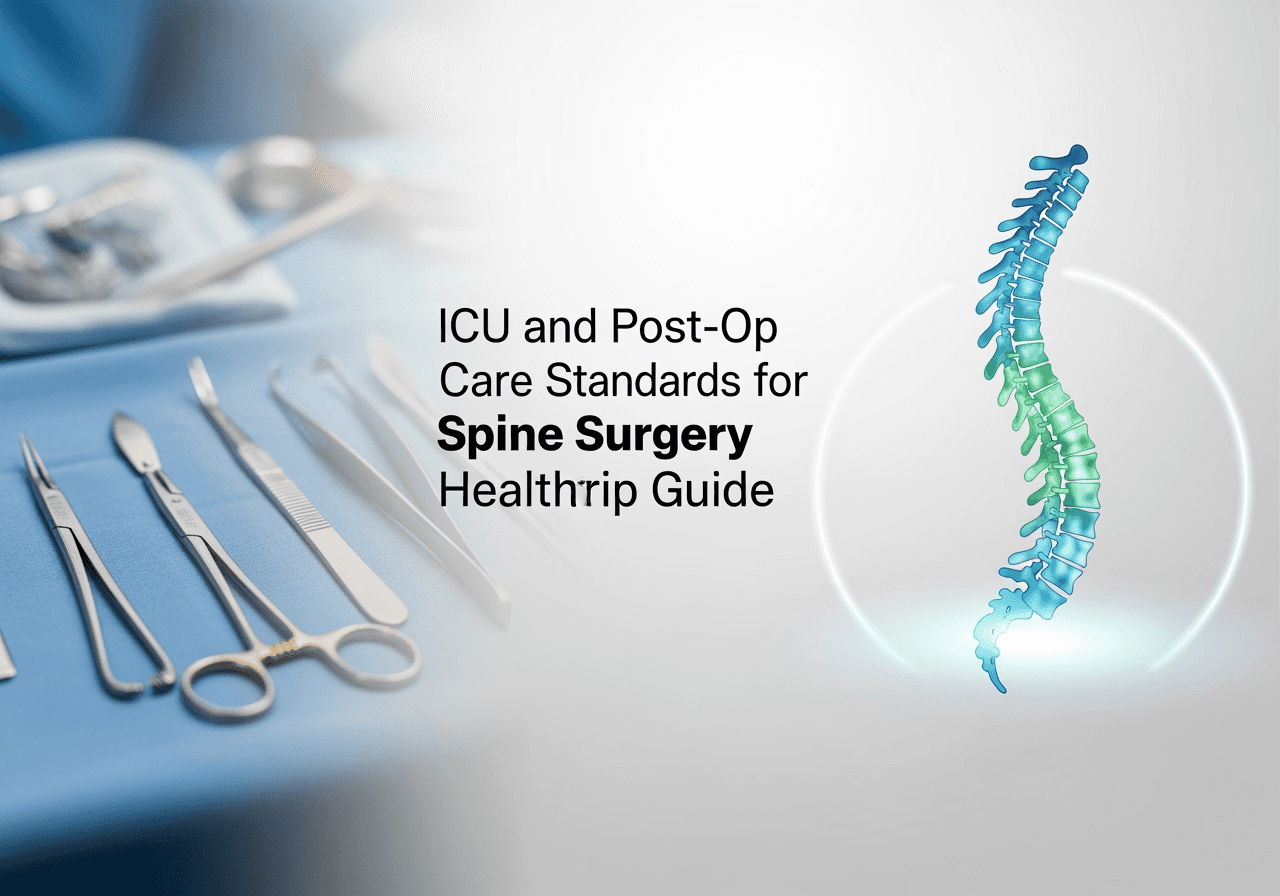
ICU and Post-Op Care Standards for Spine Surgery Healthtrip Guide
12 Apr, 2026
 Healthtrip
- Understanding ICU Care After Spine Surgery: The 'Why'
- Who Needs Intensive Post-Op Spine Care? Identifying High-Risk Patients
- Key Standards and Protocols for Optimal Spine Surgery Recovery
- Managing Pain and Complications: A Guide to Your Post-Surgery Journey
- Top Healthtrip Destinations and Hospitals for Spine Post-Op Care
- Preparing for a Smooth Spine Surgery Healthtrip and Recovery
- Conclusion: Your Path to a Successful Spine Surgery Recovery
Most popular procedures in India

Understanding ICU Care After Spine Surgery: The 'Why'
Waking up in an Intensive Care Unit (ICU) after spine surgery can feel a bit daunting, and it's perfectly normal to wonder, "Why me?" Let's demystify this. The 'why' behind ICU care after spine surgery isn't usually a sign that something went wrong; rather, it’s a proactive, highly vigilant approach to ensure your absolute best recovery. Spine surgery, especially complex procedures like fusions or corrections for scoliosis, involves delicate work near vital nerve structures and can impact your body in various ways. The hours immediately following surgery are a critical window where your body begins its healing journey, and close monitoring is simply the gold standard. In the ICU, you're surrounded by an extraordinary team of experts and cutting-edge technology designed to watch over every beat of your heart, every breath, and every flicker of sensation. This intense oversight allows your medical team to detect and address any potential complications, no matter how small, before they escalate. Think of it as having a personal pit crew, ensuring your engine is purring perfectly after a major overhaul. Healthtrip understands these concerns and guides you to world-class hospitals, such as Yanhee International Hospital in Thailand or Quironsalud Hospital Toledo in Spain, where their ICUs are equipped with state-of-the-art facilities and staffed by highly trained professionals committed to your safety and comfort during this crucial post-operative phase.

Wellness Treatments
Give yourself the time to relax
Lowest Prices Guaranteed!

Lowest Prices Guaranteed!
Who Needs Intensive Post-Op Spine Care? Identifying High-Risk Patients
Not every patient undergoing spine surgery requires a stint in the ICU, but for those who do, it's a carefully considered decision based on several factors, ensuring a tailored approach to recovery. Identifying high-risk patients involves looking at the entire picture, not just the surgery itself. Factors like the complexity and duration of your spinal procedure play a huge role; a lengthy, multi-level fusion, for instance, naturally warrants closer observation than a simpler discectomy. Your pre-existing health conditions are also paramount: if you have a history of heart disease, lung issues, diabetes, or other chronic illnesses, the ICU provides enhanced monitoring to manage these conditions in the post-operative period. Age can also be a consideration, as older patients may have a longer recovery curve. Furthermore, if there was significant blood loss during surgery, or if you had pre-existing neurological deficits that required careful post-operative assessment, the ICU environment offers the ideal setting for continuous neurological checks and stabilization. It’s all about creating the safest possible environment for your unique healing journey. Healthtrip assists you in connecting with hospitals like Fortis Memorial Research Institute in Gurgaon, India, or Memorial Bahçelievler Hospital in Turkey, which excel at identifying and caring for high-risk spine surgery patients, offering personalized care plans from the moment you step through their doors until you’re well on your way to recovery.
Key Standards and Protocols for Optimal Spine Surgery Recovery
Optimal spine surgery recovery isn't left to chance; it's a meticulously orchestrated process guided by rigorous standards and protocols designed to get you back on your feet safely and efficiently. These protocols begin with expert pain management, utilizing a multi-modal approach to keep you comfortable, allowing for earlier mobilization. The goal isn't zero pain, which is often unrealistic, but rather controlled pain that enables you to participate actively in your recovery. Mobility protocols are crucial and typically involve gentle movements and getting out of bed as soon as medically advised, often with the help of physical therapists. This early mobilization helps prevent complications like blood clots and pneumonia, speeding up your overall rehabilitation. Infection control is another cornerstone, with strict hygiene measures and sometimes prophylactic antibiotics to guard against post-surgical infections. Regular neurological checks are paramount, ensuring nerve function is intact and any changes are quickly addressed. Respiratory support, especially after lengthy procedures, helps keep your lungs clear, while nutritional support provides the building blocks for healing. You are never alone in this process; a multidisciplinary team, including surgeons, specialized nurses, physical therapists, and dietitians, works together, ensuring every aspect of your recovery is optimized. Healthtrip empowers you to choose hospitals that uphold the highest international standards, such as OCM Orthopädische Chirurgie München in Germany or Cleveland Clinic London in the United Kingdom, where these protocols are not just guidelines but deeply embedded practices, promising you a recovery path that is both safe and successful.
623 patients from India choose this package for their Liver Transplant package
Also Read:
Managing Pain and Complications: A Guide to Your Post-Surgery Journey
Waking up after spine surgery can feel like a whirlwind of emotions – relief, apprehension, and often, a degree of discomfort. Understanding what to expect regarding pain management and potential complications is crucial for a smoother recovery. Your dedicated medical team, often a blend of surgeons, anesthesiologists, and pain specialists, works tirelessly to ensure your comfort. Immediately post-op, you might receive intravenous pain medication, which is carefully titrated to keep you at ease. As you progress, this typically transitions to oral medications, including a combination of pain relievers and muscle relaxants. But managing pain isn’t just about pills; it involves a holistic approach. Nurses will guide you through gentle position changes, recommend ice packs, and teach deep breathing exercises, all designed to help you feel more comfortable and start your healing journey. Remember, expressing your pain levels openly and honestly is vital; your team relies on your feedback to adjust your regimen effectively, ensuring you receive personalized care that truly addresses your needs for comfort and recovery.
Beyond pain, monitoring for complications is a critical aspect of your post-surgery journey, ensuring any potential issues are identified and addressed promptly. While modern spine surgery is incredibly safe, being aware of signs like excessive redness or swelling around the incision, fever, or new neurological symptoms such as weakness or numbness, empowers you to be an active participant in your recovery. Deep vein thrombosis (DVT), a blood clot, is another concern, often mitigated by early mobilization, compression stockings, and sometimes blood thinners. Your care team will be vigilant, conducting regular checks and providing clear instructions on what to look for. Physical therapists often begin their work almost immediately, guiding you through gentle exercises to prevent stiffness and improve circulation. This early mobilization is not just about physical recovery; it's a powerful psychological boost, reminding you that movement is possible and recovery is truly underway. With Healthtrip, you connect with hospitals where such comprehensive post-operative care is standard, giving you immense peace of mind as you navigate this critical phase of healing.
Top Healthtrip Destinations and Hospitals for Spine Post-Op Care
When considering spine surgery, especially if you're seeking world-class care beyond your local options, Healthtrip opens doors to top destinations renowned for their advanced medical infrastructure and specialized orthopedic excellence. Imagine receiving care in a place where cutting-edge technology meets compassionate expertise, a reality for Healthtrip patients. Countries like Germany, India, the UAE, Thailand, Spain, and Turkey have emerged as global leaders in medical tourism, particularly for complex procedures like spine surgery. These nations boast a plethora of JCI-accredited hospitals that adhere to the highest international standards of patient safety and quality. Healthtrip meticulously curates a network of such facilities, ensuring that our patients have access to the very best. From the moment you begin your search to the completion of your recovery, our platform guides you through a selection of hospitals that not only offer expert surgical teams but also provide comprehensive post-operative and rehabilitation services tailored to spine patients.
Among the exceptional hospitals available through Healthtrip, you'll find institutions like OCM Orthopädische Chirurgie München in Germany, renowned for its specialized orthopedic care and rehabilitation programs. In India, Fortis Memorial Research Institute, Gurgaon, and Max Healthcare Saket stand out with their multidisciplinary teams and state-of-the-art facilities, offering comprehensive spine care from diagnostics to extended rehabilitation. For those considering the Middle East, NMC Specialty Hospital, Al Nahda, Dubai, and Thumbay Hospital offer advanced medical services with a focus on international patient comfort. Southeast Asia presents Vejthani Hospital and Bangkok Hospital in Thailand, both known for their excellent patient care and rehabilitation centers. In Turkey, Memorial Bahçelievler Hospital and LIV Hospital, Istanbul, provide world-class facilities and experienced spine specialists. These hospitals are not just names; they represent centers of excellence where your recovery is prioritized, offering personalized care plans, advanced pain management, and dedicated rehabilitation programs, all facilitated effortlessly by Healthtrip.
Also Read:
Preparing for a Smooth Spine Surgery Healthtrip and Recovery
Embarking on a healthtrip for spine surgery requires meticulous preparation, yet with Healthtrip as your partner, this journey becomes remarkably smooth and stress-free. Think of us as your personal concierge, handling the intricate logistics so you can focus entirely on your health. Before you even pack your bags, we ensure all your travel documents are in order, from visa assistance to flight bookings and comfortable accommodation near your chosen hospital. Imagine arriving at your destination with everything pre-arranged, including transfers and, if needed, a dedicated interpreter to bridge any language gaps. Mentally preparing for surgery and recovery is just as important as the physical aspects. Arm yourself with knowledge about your procedure and what the recovery will entail, but also cultivate a mindset of positive anticipation. Pack comfortable clothing, any personal items that bring you comfort, and don’t forget essential medical records, though Healthtrip will have already shared these with your medical team. This comprehensive approach ensures that from the moment you decide to travel for surgery, every detail is expertly managed, allowing you to approach your health journey with confidence and calm.
The recovery phase, both immediately post-op and upon returning home, is a marathon, not a sprint, and your active participation makes all the difference. While in the hospital, your physical therapy sessions will begin, focusing on regaining strength and mobility. Listen carefully to your therapists and nurses, adhering strictly to their instructions regarding movement, posture, and wound care. Once you return to the comfort of your home, the recovery journey continues, often requiring ongoing physical therapy and diligent adherence to your surgeon's lifestyle recommendations. Healthtrip’s support doesn't end when you leave the hospital; we can help coordinate follow-up appointments and connect you with rehabilitation services in your home country if needed, ensuring continuity of care. Modifying your home environment to support your recovery – perhaps arranging for a comfortable chair, removing tripping hazards, or having meals prepared in advance – can significantly ease the transition. By proactively planning and leveraging Healthtrip’s extensive support network, you transform a potentially daunting surgical experience into a well-managed pathway to renewed health and a better quality of life.
Conclusion: Your Path to a Successful Spine Surgery Recovery
Your journey through spine surgery and subsequent recovery is a testament to your resilience and commitment to a healthier future. It’s a significant step, one that promises relief from chronic pain and a return to the activities you love. Remember that a successful recovery isn't merely about the surgery itself; it’s about the meticulous planning, the expert care received, and your active engagement in the rehabilitation process. From understanding the nuances of pain management to choosing a world-class hospital and preparing diligently for your healthtrip, every element plays a crucial role. Healthtrip stands as your unwavering ally throughout this entire process, connecting you with leading surgeons and state-of-the-art facilities globally, and streamlining every logistical detail. We believe that access to exceptional healthcare should be seamless and stress-free, empowering you to make informed decisions and focus solely on your healing. Your path to recovery is unique, but with the right support, guidance, and unwavering optimism, a vibrant, pain-free life awaits.
Embrace each step of your recovery with patience and determination, celebrating small victories along the way. While there might be challenges, remember that every exercise, every therapy session, and every moment of rest is contributing to your long-term well-being. The discomfort is temporary, but the benefits of a successful spine surgery can be life-changing, restoring your ability to move freely, work comfortably, and enjoy life’s simple pleasures. Healthtrip is more than just a service provider; we are your dedicated partner, committed to ensuring your medical journey is as smooth, comfortable, and successful as possible. We empower you to take control of your health, offering a bridge to the best medical care available worldwide. So, take that brave step, trust in the process, and look forward to a future where discomfort is replaced by vitality. Your journey to a successful spine surgery recovery starts here, with us, paving the way to a brighter, healthier tomorrow.
Most popular wellness packages





Related Blogs

Discharge and Follow-Up Plan for Eye Surgery via Healthtrip
Plan eye surgery in India with Healthtrip: hospitals, doctors, visas,

Remote Consultation for Eye Surgery Before Travel with Healthtrip
Plan eye surgery in India with Healthtrip: hospitals, doctors, visas,
Comparing Packages for Eye Surgery Across Healthtrip Hospitals
Plan eye surgery in India with Healthtrip: hospitals, doctors, visas,
ICU and Post-Op Care Standards for Eye Surgery Healthtrip Guide
Plan eye surgery in India with Healthtrip: hospitals, doctors, visas,
Pre-Admission Checklist for Eye Surgery Patients via Healthtrip
Plan eye surgery in India with Healthtrip: hospitals, doctors, visas,

Top Doctors in India for Eye Surgery Through Healthtrip
Plan eye surgery in India with Healthtrip: hospitals, doctors, visas,