Packages starting from
$3000
Need help in choosing the right package for your medical trip?
Your Health data is protected with us
Transforming Lives with Angioplasty (PTCA)
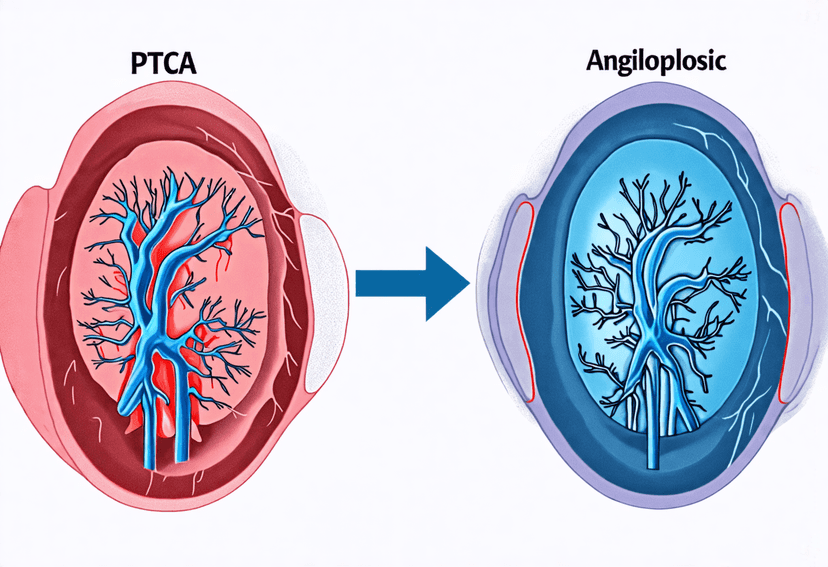
Angioplasty is a medical procedure that has revolutionized the treatment of cardiovascular conditions. It involves the use of a catheter and a balloon-like device to open blocked or narrowed arteries, restoring proper blood flow to the heart and other organs. In this blog, we will delve into every aspect of angioplasty, including what it is, why it's essential, the conditions it treats, the procedure itself, recovery, and the benefits it offers.
Angioplasty is a minimally invasive procedure crucial for treating blocked or narrowed arteries, enhancing heart function and preventing serious cardiovascular events. Here's a streamlined summary:
What is Angioplasty?
A medical technique that uses a balloon-like device to widen obstructed arteries, ensuring better blood flow.
Why is Angioplasty Important?
It prevents heart attacks, alleviates chest pain, and is essential for treating coronary artery disease and other arterial blockages.
Conditions Treated:
Effective for coronary artery disease, peripheral artery disease, carotid artery disease, and renal artery stenosis.
Procedure Overview:
Involves inserting a catheter with a balloon at the tip into an artery, inflating the balloon to open the artery, and possibly placing a stent to keep it open.
Recovery:
Quick recovery; patients usually resume normal activities within days, with some staying in the hospital for observation.
Benefits:
Restores blood flow, reduces symptoms like chest and leg pain, lowers heart attack risk, and improves overall quality of life.
Types of Angioplasty:
Includes standard balloon angioplasty, coronary, peripheral, carotid, renal, and innovative methods like drug-coated balloons and rotational atherectomy.
Long-Term Outlook:
Most patients see substantial life quality improvements post-procedure. Success depends on ongoing lifestyle changes and medication adherence.
Ongoing Monitoring:
Regular cardiologist visits are crucial to ensure the long-term success of the angioplasty and to adjust treatments as necessary.
Angioplasty stands out as a transformative treatment for cardiovascular diseases, offering significant benefits and enabling patients to lead healthier lives.
5.0
91% Rated Value for Money
Why Choose us?

96%
Success Rate

7+
Angioplasty (PTCA) Surgeons

2+
Angioplasty (PTCA)

14+
Hospitals Around the world

12+
Lives touched
Overview
Angioplasty is a medical procedure that has revolutionized the treatment of cardiovascular conditions. It involves the use of a catheter and a balloon-like device to open blocked or narrowed arteries, restoring proper blood flow to the heart and other organs. In this blog, we will delve into every aspect of angioplasty, including what it is, why it's essential, the conditions it treats, the procedure itself, recovery, and the benefits it offers.
Angioplasty is a minimally invasive procedure crucial for treating blocked or narrowed arteries, enhancing heart function and preventing serious cardiovascular events. Here's a streamlined summary:
What is Angioplasty?
A medical technique that uses a balloon-like device to widen obstructed arteries, ensuring better blood flow.
Why is Angioplasty Important?
It prevents heart attacks, alleviates chest pain, and is essential for treating coronary artery disease and other arterial blockages.
Conditions Treated:
Effective for coronary artery disease, peripheral artery disease, carotid artery disease, and renal artery stenosis.
Procedure Overview:
Involves inserting a catheter with a balloon at the tip into an artery, inflating the balloon to open the artery, and possibly placing a stent to keep it open.
Recovery:
Quick recovery; patients usually resume normal activities within days, with some staying in the hospital for observation.
Benefits:
Restores blood flow, reduces symptoms like chest and leg pain, lowers heart attack risk, and improves overall quality of life.
Types of Angioplasty:
Includes standard balloon angioplasty, coronary, peripheral, carotid, renal, and innovative methods like drug-coated balloons and rotational atherectomy.
Long-Term Outlook:
Most patients see substantial life quality improvements post-procedure. Success depends on ongoing lifestyle changes and medication adherence.
Ongoing Monitoring:
Regular cardiologist visits are crucial to ensure the long-term success of the angioplasty and to adjust treatments as necessary.
Angioplasty stands out as a transformative treatment for cardiovascular diseases, offering significant benefits and enabling patients to lead healthier lives.






Doctors

5.0
Consults at:


4.5
Consults at:

5.0
Consults at:

4.0
Consults at:

4.0
Consults at: