Packages starting from
$1500
Need help in choosing the right package for your medical trip?
Your Health data is protected with us
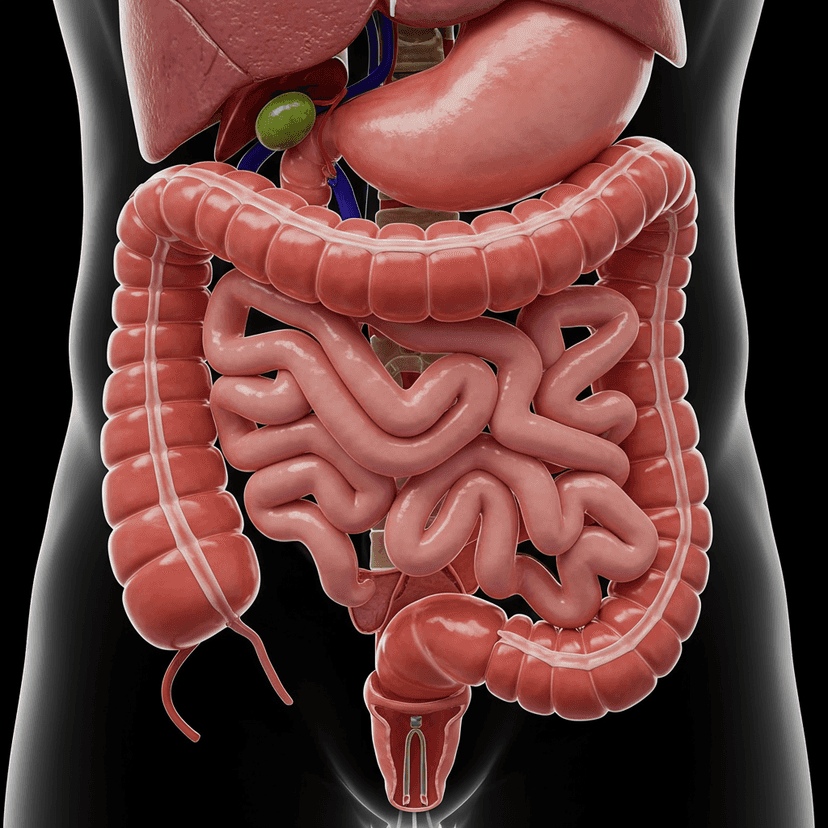
Transforming Lives with Appendix Surgery
There are two main types of appendectomy:
-
Open Appendectomy – where a single incision is made in the lower right abdomen.
-
Laparoscopic Appendectomy – a minimally invasive procedure using 2–3 small incisions and a camera (laparoscope).
4.0
93% Rated Value for Money
Benefits Of Appendix Surgery
Immediate relief from acute abdominal pain
-
Prevention of appendix rupture and serious complications
-
Quick recovery and short hospital stay (often <24 hours for laparoscopic)
-
High success rate and low complication rate
-
Minimally invasive options available
-
Long-term resolution (appendix does not regrow)
Why Choose us?

99%
Success Rate

4+
Appendix Surgery Surgeons

1+
Appendix Surgery

5+
Hospitals Around the world

3+
Lives touched
Overview
There are two main types of appendectomy:
-
Open Appendectomy – where a single incision is made in the lower right abdomen.
-
Laparoscopic Appendectomy – a minimally invasive procedure using 2–3 small incisions and a camera (laparoscope).
Symptoms
Sharp pain in the lower right abdomen
-
Nausea and vomiting
-
Loss of appetite
-
Fever
-
Abdominal swelling or bloating
-
Inability to pass gas or have a bowel movement
Causes
Blockage in the appendix (due to feces, a foreign body, or cancer)
-
Bacterial infection causing inflammation
-
Gastrointestinal infections
-
Enlarged lymphoid follicles
-
Genetic predisposition
-
Trauma or injury to the abdomen
The typical steps involved in Appendix Surgery
1. Diagnosis:
Physical examination, blood tests, ultrasound or CT scan to confirm appendicitis.
2. Preoperative Preparation:
Fasting, intravenous fluids, and antibiotics to reduce infection risk.
3. Surgery Type Selection:
Decision between open or laparoscopic appendectomy based on the case.
4. Surgical Procedure:
-
Anesthesia administration
-
Removal of the appendix
-
Cleaning of abdominal cavity (if rupture occurred)
-
Wound closure
5. Postoperative Recovery:
Pain management, gradual reintroduction of diet, mobility encouragement.
6. Follow-Up Care:
Wound care instructions, signs of infection to watch for, and follow-up appointment.




Doctors

4.0
Consults at:


4.0
Consults at:

5.0
Consults at: