Packages starting from
$7000
Need help in choosing the right package for your medical trip?
Your Health data is protected with us
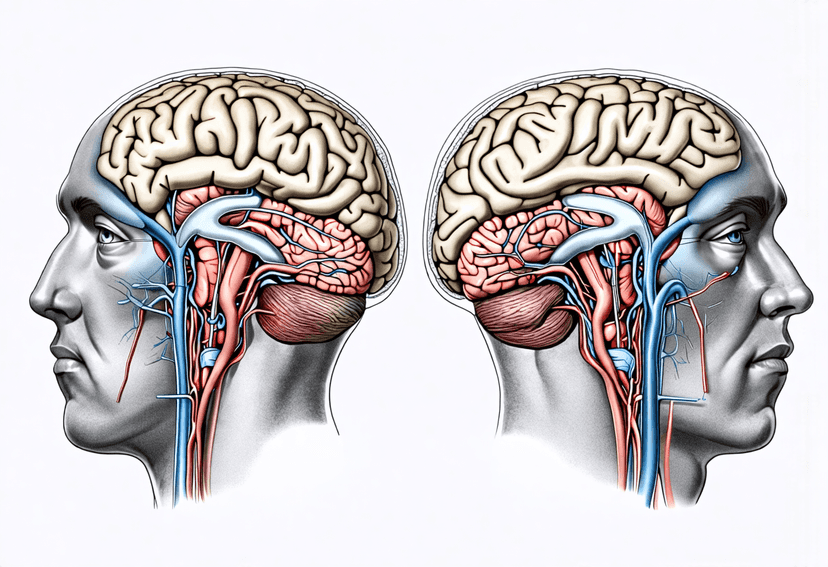
Transforming Lives with Brain Stroke-Craniotomy with hematoma evacuation
A craniotomy with hematoma evacuation is a surgical procedure performed to treat a brain stroke caused by intracerebral hemorrhage (bleeding within the brain). This procedure involves removing part of the skull to access the brain and evacuate the accumulated blood (hematoma) that is causing pressure on the brain tissues. The goal is to relieve intracranial pressure, prevent further brain damage, and improve the patient's neurological function. Timely intervention is crucial to minimize brain damage and improve outcomes.
4.0
90% Rated Value for Money
Benefits Of Brain Stroke-Craniotomy with hematoma evacuation
- Pressure Relief: Reduces intracranial pressure caused by the hematoma.
- Prevents Further Damage: Stops ongoing bleeding and prevents additional brain injury.
- Symptom Improvement: Alleviates symptoms like headache, weakness, and speech difficulties.
- Improved Outcomes: Enhances the likelihood of recovery and improves neurological function.
- Life-Saving: Can be a critical intervention to save a patient's life in severe cases.
Why Choose us?

96%
Success Rate

3+
Brain Stroke-Craniotomy with hematoma evacuation Surgeons

2+
Brain Stroke-Craniotomy with hematoma evacuation

3+
Hospitals Around the world

5+
Lives touched
Overview
A craniotomy with hematoma evacuation is a surgical procedure performed to treat a brain stroke caused by intracerebral hemorrhage (bleeding within the brain). This procedure involves removing part of the skull to access the brain and evacuate the accumulated blood (hematoma) that is causing pressure on the brain tissues. The goal is to relieve intracranial pressure, prevent further brain damage, and improve the patient's neurological function. Timely intervention is crucial to minimize brain damage and improve outcomes.
Symptoms
- Sudden severe headache
- Loss of consciousness
- Vomiting
- Seizures
- Weakness or numbness on one side of the body
- Speech difficulties
- Vision problems
- Confusion or altered mental state
Causes
- High blood pressure (hypertension)
- Trauma or head injury
- Blood vessel abnormalities (e.g., aneurysms, arteriovenous malformations)
- Blood clotting disorders
- Use of blood thinners (anticoagulants)
- Brain tumors
- Amyloid angiopathy
The typical steps involved in Brain Stroke-Craniotomy with hematoma evacuation
- Preoperative Assessment: Includes neurological exams, CT or MRI scans, blood tests, and discussions about the procedure, risks, and benefits.
- Anesthesia: General anesthesia is administered to ensure the patient is unconscious and pain-free during surgery.
- Craniotomy: The surgeon makes an incision in the scalp and removes a section of the skull to access the brain.
- Hematoma Evacuation: The accumulated blood is carefully removed to relieve pressure on the brain.
- Closure and Recovery: The skull bone is replaced, the incision is closed, and the patient is monitored in the ICU for immediate recovery. Postoperative care includes managing intracranial pressure, preventing infections, and rehabilitative therapy.


Doctors

4.5
Consults at:


5.0
Consults at: