Packages starting from
$6000
Need help in choosing the right package for your medical trip?
Your Health data is protected with us
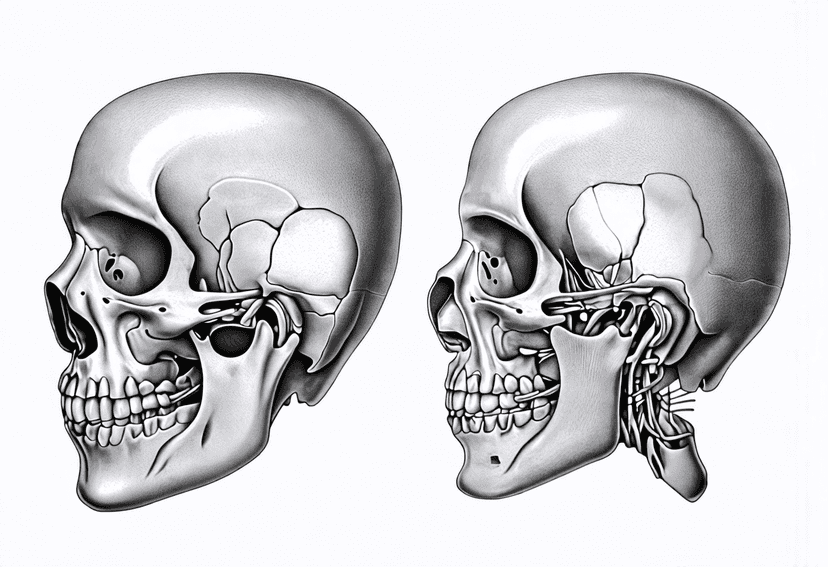
Transforming Lives with Cranioplasty
Cranioplasty is a surgical procedure used to repair defects or deformities in the skull. These defects can result from trauma, previous surgeries, congenital conditions, or disease. The procedure involves the use of various materials such as the patient's own bone, metal plates, or synthetic materials to reconstruct the missing or damaged part of the skull. Cranioplasty not only provides protection to the underlying brain tissue but also restores the natural shape of the skull, improving both cosmetic appearance and neurological function.
5.0
93% Rated Value for Money
Benefits Of Cranioplasty
- Brain Protection: Shields the brain from external trauma.
- Cosmetic Improvement: Restores the natural contour of the skull.
- Neurological Function: May improve neurological symptoms and brain function.
- Psychological Well-being: Enhances self-esteem and mental health.
- Prevention of Complications: Reduces the risk of infection and other complications associated with skull defects.
Why Choose us?

98%
Success Rate

2+
Cranioplasty Surgeons

0
Cranioplasty

2+
Hospitals Around the world

2+
Lives touched
Overview
Cranioplasty is a surgical procedure used to repair defects or deformities in the skull. These defects can result from trauma, previous surgeries, congenital conditions, or disease. The procedure involves the use of various materials such as the patient's own bone, metal plates, or synthetic materials to reconstruct the missing or damaged part of the skull. Cranioplasty not only provides protection to the underlying brain tissue but also restores the natural shape of the skull, improving both cosmetic appearance and neurological function.
Symptoms
- Visible skull deformities
- Neurological symptoms (headaches, seizures)
- Infections at the site of the defect
- Cosmetic concerns
- Protection of exposed brain tissue
- History of trauma or previous skull surgery
Causes
- Traumatic brain injury
- Surgical removal of brain tumors
- Congenital skull defects
- Infections or disease affecting the skull bones
- Decompression surgery for brain swelling
- Previous craniotomy or craniectomy
The typical steps involved in Cranioplasty
- Preoperative Assessment: Comprehensive evaluation including CT or MRI scans, medical history, and surgical planning.
- Anesthesia: General anesthesia is administered to ensure the patient is unconscious and pain-free during surgery.
- Surgical Procedure: The surgeon exposes the skull defect, prepares the area, and places the graft or synthetic material to repair the defect.
- Fixation: The material is secured in place using screws, plates, or sutures.
- Closure and Recovery: The scalp is closed, and the patient is monitored in the ICU or recovery room. Postoperative care includes pain management, infection prevention, and regular follow-up visits.


Doctors

5.0
Consults at:


4.5
Consults at: