Packages starting from
$6400
Need help in choosing the right package for your medical trip?
Your Health data is protected with us
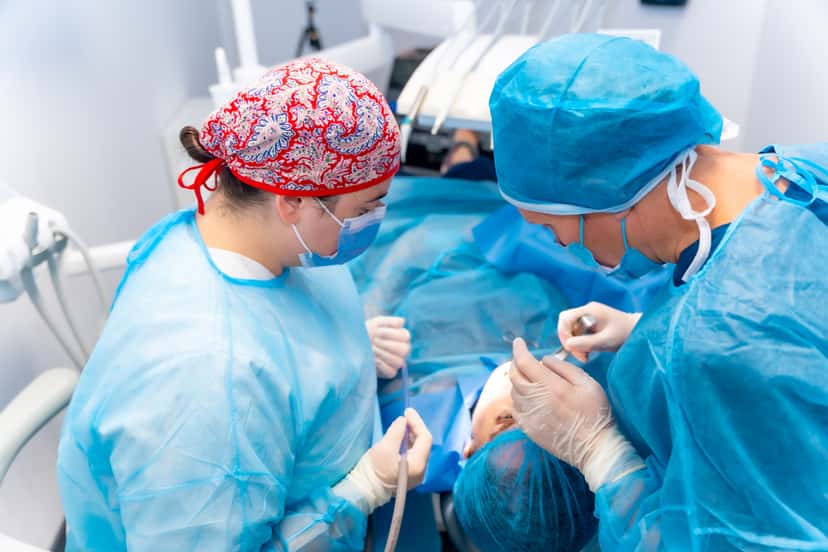
Transforming Lives with Embolization of AVM
Embolization is a minimally invasive procedure used to treat arteriovenous malformations (AVMs), which are abnormal tangles of blood vessels connecting arteries and veins. This treatment involves inserting a catheter into the blood vessels leading to the AVM and injecting materials to block the abnormal vessels. The primary goal is to reduce blood flow to the AVM, alleviate symptoms, and prevent complications such as bleeding or stroke. Embolization can be used alone or in conjunction with other treatments like surgery or radiosurgery.
4.0
90% Rated Value for Money
Benefits Of Embolization of AVM
- Reduced Risk of Bleeding: Decreases the likelihood of hemorrhage.
- Symptom Relief: Alleviates symptoms such as headaches and seizures.
- Minimally Invasive: Less invasive than open surgery.
- Adjunct to Other Treatments: Can be combined with surgery or radiosurgery for better outcomes.
- Rapid Recovery: Typically allows for quicker recovery compared to traditional surgery.
Why Choose us?

98%
Success Rate

5+
Embolization of AVM Surgeons

0
Embolization of AVM

6+
Hospitals Around the world

1+
Lives touched
Overview
Embolization is a minimally invasive procedure used to treat arteriovenous malformations (AVMs), which are abnormal tangles of blood vessels connecting arteries and veins. This treatment involves inserting a catheter into the blood vessels leading to the AVM and injecting materials to block the abnormal vessels. The primary goal is to reduce blood flow to the AVM, alleviate symptoms, and prevent complications such as bleeding or stroke. Embolization can be used alone or in conjunction with other treatments like surgery or radiosurgery.
Symptoms
- Headache
- Seizures
- Muscle weakness
- Numbness or tingling
- Vision changes
- Speech difficulties
Causes
- Congenital (present at birth)
- Genetic factors
- Abnormal blood vessel development
- Previous head injuries (rare)
- Unknown causes (idiopathic)
The typical steps involved in Embolization of AVM
- Consultation and Imaging: Initial assessment with MRI or angiography to locate the AVM.
- Anesthesia: Patient is given local or general anesthesia.
- Catheter Insertion: A catheter is inserted through a small incision, usually in the groin.
- Guidance to AVM: The catheter is guided to the AVM using imaging techniques.
- Embolic Agent Injection: A material (glue, coils, particles) is injected to block the abnormal vessels.
- Monitoring: Continuous monitoring to ensure the AVM is adequately treated.
- Post-Procedure Care: Observation and follow-up imaging to check for success and monitor for complications.





Doctors

5.0
Consults at:


5.0
Consults at:

5.0
Consults at:

5.0
Consults at:

4.5
Consults at: