Packages starting from
$4500
Need help in choosing the right package for your medical trip?
Your Health data is protected with us
Transforming Lives with IVF
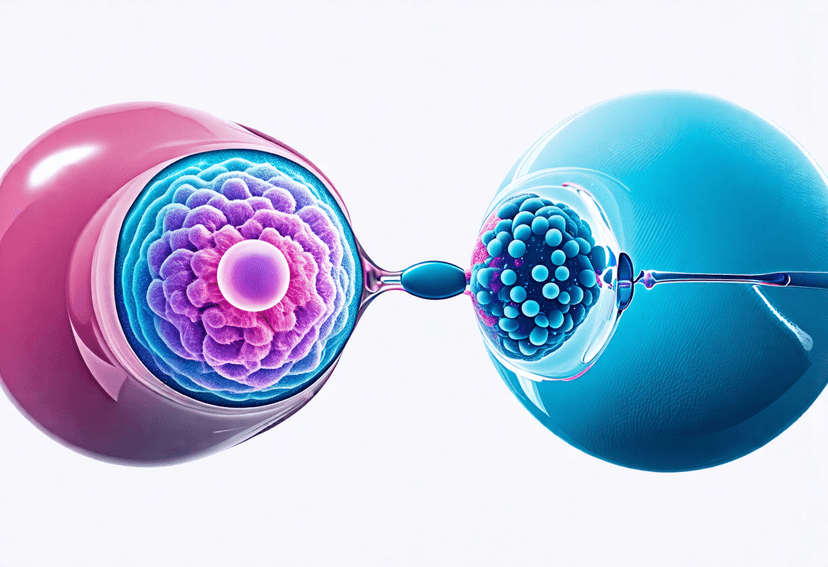
In Vitro Fertilization (IVF) is a widely used assisted reproductive technology (ART) designed to help individuals and couples conceive a child. The process involves several steps:
Ovarian Stimulation:
- The woman's ovaries are stimulated with hormonal medications to produce multiple mature eggs.
Egg Retrieval:
- Once the eggs are mature, they are retrieved from the ovaries using a minor surgical procedure called transvaginal ultrasound aspiration.
Sperm Collection:
- A sperm sample is collected from the male partner or a donor.
Fertilization:
- The retrieved eggs are combined with the sperm in a laboratory dish to facilitate fertilization. This can be done via conventional insemination or Intracytoplasmic Sperm Injection (ICSI), where a single sperm is injected directly into an egg.
Embryo Culture:
- Fertilized eggs (embryos) are cultured in the laboratory for several days until they reach an optimal stage of development.
Embryo Transfer:
- One or more healthy embryos are transferred into the woman’s uterus, with the hope of implantation and pregnancy. Any remaining viable embryos can be frozen for future use.
Preparation:
- Preparation involves thorough medical evaluations, hormone treatments, and lifestyle adjustments. Both partners may undergo screenings to assess their overall health and fertility status.
Recovery:
- Recovery from egg retrieval is typically quick, with most women resuming normal activities within a day or two. After embryo transfer, a short period of rest is recommended, and a pregnancy test is conducted about two weeks later.
Outcomes:
- The success rates of IVF vary depending on factors such as age, underlying fertility issues, and clinic expertise. IVF can offer hope to those struggling with infertility, leading to successful pregnancies and healthy births.
IVF provides a structured and scientifically advanced pathway to overcome various fertility challenges, offering hope and solutions to individuals and couples aiming to start or expand their families.
4.0
91% Rated Value for Money
Why Choose us?

99%
Success Rate

52+
IVF Surgeons

2+
IVF

84+
Hospitals Around the world

9+
Lives touched
Testimonials


Hospitals

Doctors
Hospitals
Doctors
Overview
In Vitro Fertilization (IVF) is a widely used assisted reproductive technology (ART) designed to help individuals and couples conceive a child. The process involves several steps:
Ovarian Stimulation:
- The woman's ovaries are stimulated with hormonal medications to produce multiple mature eggs.
Egg Retrieval:
- Once the eggs are mature, they are retrieved from the ovaries using a minor surgical procedure called transvaginal ultrasound aspiration.
Sperm Collection:
- A sperm sample is collected from the male partner or a donor.
Fertilization:
- The retrieved eggs are combined with the sperm in a laboratory dish to facilitate fertilization. This can be done via conventional insemination or Intracytoplasmic Sperm Injection (ICSI), where a single sperm is injected directly into an egg.
Embryo Culture:
- Fertilized eggs (embryos) are cultured in the laboratory for several days until they reach an optimal stage of development.
Embryo Transfer:
- One or more healthy embryos are transferred into the woman’s uterus, with the hope of implantation and pregnancy. Any remaining viable embryos can be frozen for future use.
Preparation:
- Preparation involves thorough medical evaluations, hormone treatments, and lifestyle adjustments. Both partners may undergo screenings to assess their overall health and fertility status.
Recovery:
- Recovery from egg retrieval is typically quick, with most women resuming normal activities within a day or two. After embryo transfer, a short period of rest is recommended, and a pregnancy test is conducted about two weeks later.
Outcomes:
- The success rates of IVF vary depending on factors such as age, underlying fertility issues, and clinic expertise. IVF can offer hope to those struggling with infertility, leading to successful pregnancies and healthy births.
IVF provides a structured and scientifically advanced pathway to overcome various fertility challenges, offering hope and solutions to individuals and couples aiming to start or expand their families.




Doctors

5.0
Consults at:

4.0
Consults at:

5.0
Consults at:

5.0
Consults at:

4.0
Consults at:

4.5
Consults at: