Packages starting from
$2500
Need help in choosing the right package for your medical trip?
Your Health data is protected with us
Transforming Lives with Salpingectomy
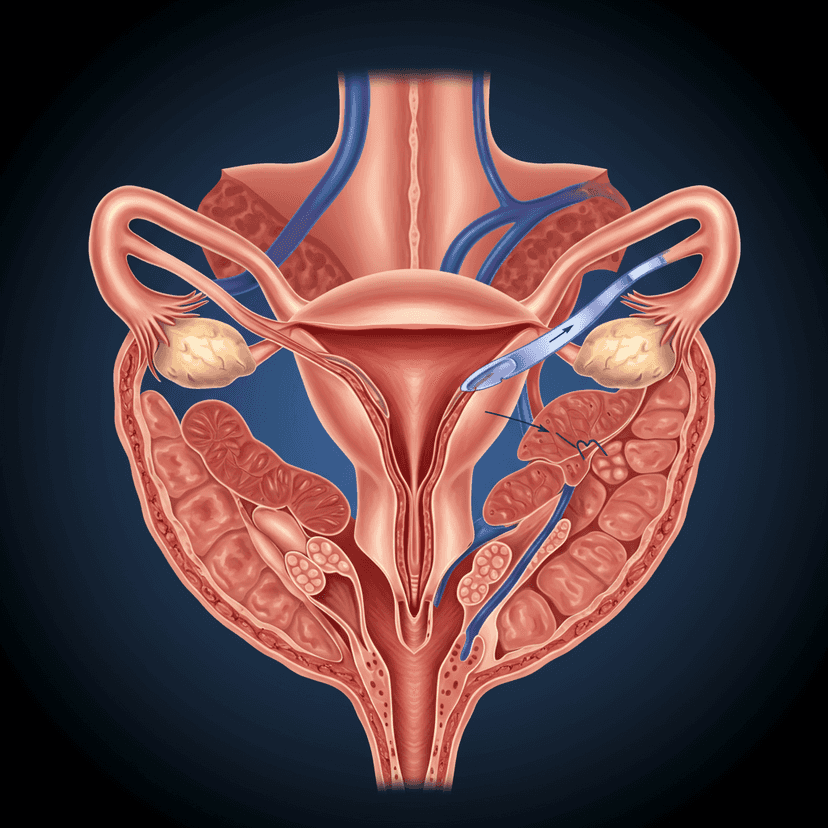
Salpingectomy is a surgical procedure involving the removal of one or both fallopian tubes. It is often performed to treat various medical conditions, such as ectopic pregnancy, hydrosalpinx (fluid-filled tubes), infection, endometriosis, or as a preventive measure for women at high risk of ovarian cancer. Salpingectomy can also be part of a broader surgical approach, such as during a hysterectomy or as part of fertility treatments like in vitro fertilization (IVF).
Procedure Overview:
Preoperative Preparation:
- Comprehensive medical evaluation, including pelvic examination, blood tests, and imaging studies such as ultrasound or MRI.
- Discussion of the patient's medical history, current medications, and any allergies.
Surgical Steps:
- Anesthesia: General anesthesia is administered to ensure the patient is asleep and pain-free throughout the procedure.
- Incisions:
- Laparoscopic Salpingectomy: Small incisions (typically 0.5 to 1 cm) are made in the abdomen to insert a laparoscope (a thin tube with a camera) and surgical instruments.
- Open Salpingectomy: A larger incision is made in the abdomen, often used when the laparoscopic approach is not feasible.
- Removal: The fallopian tube(s) are carefully detached from the surrounding tissues and blood vessels. In a bilateral salpingectomy, both tubes are removed.
- Closure: The incisions are closed with sutures or surgical glue, and a sterile dressing is applied.
Preparation:
- Medical Evaluation: Comprehensive assessments, including imaging studies and laboratory tests, to plan the surgery.
- Pre-Surgery Instructions: Guidelines on fasting, medication adjustments, and specific preoperative preparations.
- Counseling: Discussion of the procedure, potential risks, and expected outcomes with the surgical team.
Recovery:
- Hospital Stay: Most patients can go home the same day or after an overnight stay, depending on individual recovery and the complexity of the surgery.
- Postoperative Care: Pain management, use of prescribed medications, and guidance on wound care.
- Activity Restrictions: Avoiding heavy lifting and strenuous activities for several weeks, with a gradual return to normal activities.
- Follow-Up: Regular follow-up appointments to monitor healing and address any concerns.
Outcomes:
- Effectiveness: Salpingectomy effectively treats conditions affecting the fallopian tubes and can prevent future complications.
- Prognosis: Patients generally experience a reduction in symptoms and an improvement in overall health. In cases of prophylactic salpingectomy, it significantly reduces the risk of ovarian cancer.
- Long-Term Benefits: Enhanced quality of life, reduced risk of ectopic pregnancies, and, for some, peace of mind regarding cancer prevention.
Salpingectomy is a crucial procedure in managing various gynecological conditions, offering significant health benefits and improving patients' quality of life.
5.0
95% Rated Value for Money
Why Choose us?

97%
Success Rate

0
Salpingectomy Surgeons

0
Salpingectomy

0
Hospitals Around the world

1+
Lives touched
Overview
Salpingectomy is a surgical procedure involving the removal of one or both fallopian tubes. It is often performed to treat various medical conditions, such as ectopic pregnancy, hydrosalpinx (fluid-filled tubes), infection, endometriosis, or as a preventive measure for women at high risk of ovarian cancer. Salpingectomy can also be part of a broader surgical approach, such as during a hysterectomy or as part of fertility treatments like in vitro fertilization (IVF).
Procedure Overview:
Preoperative Preparation:
- Comprehensive medical evaluation, including pelvic examination, blood tests, and imaging studies such as ultrasound or MRI.
- Discussion of the patient's medical history, current medications, and any allergies.
Surgical Steps:
- Anesthesia: General anesthesia is administered to ensure the patient is asleep and pain-free throughout the procedure.
- Incisions:
- Laparoscopic Salpingectomy: Small incisions (typically 0.5 to 1 cm) are made in the abdomen to insert a laparoscope (a thin tube with a camera) and surgical instruments.
- Open Salpingectomy: A larger incision is made in the abdomen, often used when the laparoscopic approach is not feasible.
- Removal: The fallopian tube(s) are carefully detached from the surrounding tissues and blood vessels. In a bilateral salpingectomy, both tubes are removed.
- Closure: The incisions are closed with sutures or surgical glue, and a sterile dressing is applied.
Preparation:
- Medical Evaluation: Comprehensive assessments, including imaging studies and laboratory tests, to plan the surgery.
- Pre-Surgery Instructions: Guidelines on fasting, medication adjustments, and specific preoperative preparations.
- Counseling: Discussion of the procedure, potential risks, and expected outcomes with the surgical team.
Recovery:
- Hospital Stay: Most patients can go home the same day or after an overnight stay, depending on individual recovery and the complexity of the surgery.
- Postoperative Care: Pain management, use of prescribed medications, and guidance on wound care.
- Activity Restrictions: Avoiding heavy lifting and strenuous activities for several weeks, with a gradual return to normal activities.
- Follow-Up: Regular follow-up appointments to monitor healing and address any concerns.
Outcomes:
- Effectiveness: Salpingectomy effectively treats conditions affecting the fallopian tubes and can prevent future complications.
- Prognosis: Patients generally experience a reduction in symptoms and an improvement in overall health. In cases of prophylactic salpingectomy, it significantly reduces the risk of ovarian cancer.
- Long-Term Benefits: Enhanced quality of life, reduced risk of ectopic pregnancies, and, for some, peace of mind regarding cancer prevention.
Salpingectomy is a crucial procedure in managing various gynecological conditions, offering significant health benefits and improving patients' quality of life.