Packages starting from
$7000
Need help in choosing the right package for your medical trip?
Your Health data is protected with us
Book Free Consultation
Please fill in your details, Our experts will get in touch with you
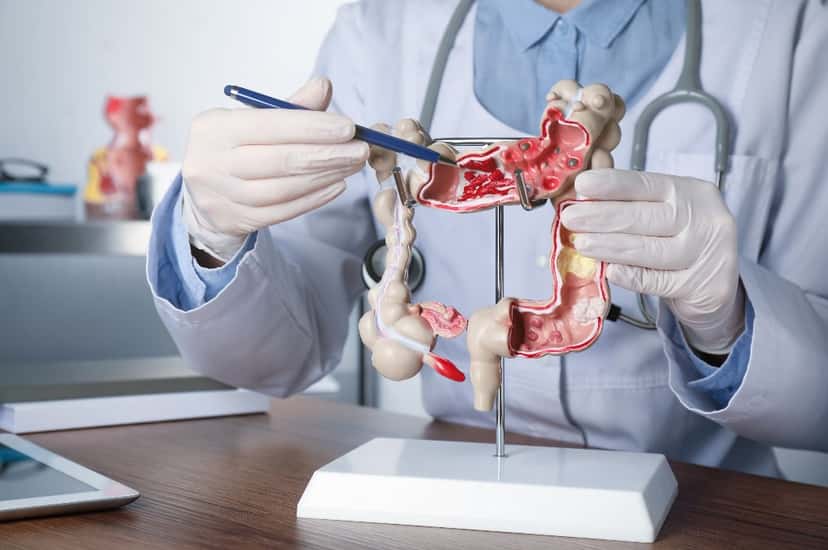
Transforming Lives with Colon Cancer
Colon cancer, also known as colorectal cancer, begins in the large intestine (colon) or the rectum (end of the colon). It typically starts as small, benign clumps of cells called polyps, which over time can become cancerous. Early detection through screening methods like colonoscopies is crucial, as it significantly improves the prognosis. Symptoms often appear once the cancer has advanced, making regular screening important for those at higher risk. Treatment options include surgery, radiation therapy, chemotherapy, and targeted therapy. Maintaining a healthy diet, regular exercise, and avoiding smoking can help reduce the risk of colon cancer.
4.0
92% Rated Value for Money
Benefits Of Colon Cancer
- Early Detection: Screening can catch cancer early when it is most treatable.
- Targeted Treatments: Advances in targeted therapy improve treatment specificity and effectiveness.
- Reduced Mortality: Timely treatment reduces the risk of death from colon cancer.
- Improved Quality of Life: Treatments can alleviate symptoms and improve overall well-being.
- Preventive Care: Lifestyle changes and regular screenings can prevent the onset of cancer.
Why Choose us?

98%
Success Rate

10+
Colon Cancer Surgeons

4+
Colon Cancer

11+
Hospitals Around the world

14+
Lives touched
Testimonials


Hospitals

Doctors
Overview
Colon cancer, also known as colorectal cancer, begins in the large intestine (colon) or the rectum (end of the colon). It typically starts as small, benign clumps of cells called polyps, which over time can become cancerous. Early detection through screening methods like colonoscopies is crucial, as it significantly improves the prognosis. Symptoms often appear once the cancer has advanced, making regular screening important for those at higher risk. Treatment options include surgery, radiation therapy, chemotherapy, and targeted therapy. Maintaining a healthy diet, regular exercise, and avoiding smoking can help reduce the risk of colon cancer.
Symptoms
- Changes in bowel habits (diarrhea or constipation)
- Blood in the stool or rectal bleeding
- Persistent abdominal discomfort (cramps, gas, or pain)
- A feeling that the bowel doesn’t empty completely
- Weakness or fatigue
- Unexplained weight loss
Causes
- Genetic mutations (inherited conditions like Lynch syndrome or familial adenomatous polyposis)
- Dietary factors (low fiber, high fat diet)
- Inflammatory bowel disease (Crohn's disease, ulcerative colitis)
- Sedentary lifestyle
- Obesity
- Smoking and heavy alcohol use
The typical steps involved in Colon Cancer
- Screening and Diagnosis: Includes colonoscopy, blood tests (CEA test), and imaging (CT scans).
- Surgical Options: Removing polyps during a colonoscopy or resecting sections of the colon.
- Radiation Therapy: Using high-energy radiation to kill cancer cells, often used in rectal cancer.
- Chemotherapy: Systemic treatment to kill cancer cells, used for advanced stages.
- Targeted Therapy: Drugs that specifically target cancer cell mechanisms, used alongside other treatments.




Doctors

Director - Surgical Oncology
4.5
Consults at:
Experience: 21 years

Surgeries: 12000+
Your Health data is protected with us

(Principle Director-Onco-Surgery) at Fortis Memorial Research Institute, Gurgoan
5.0
Consults at:
Experience: 15 years
Surgeries: 12000+
Your Health data is protected with us

Head of the Department of Surgery
4.0
Consults at:
Experience: 25+ years
Surgeries: 6000+
Your Health data is protected with us

General - Colorectal Surgeon
4.0
Consults at:
Experience: 34 years
Surgeries: NA
Your Health data is protected with us

Chaiman - Medical and Haemato Oncology , Cancer Institute
5.0
Consults at:
Experience: 30+ years
Surgeries: NA
Your Health data is protected with us

Chairman - Cancer Care
4.5
Consults at:
Experience: 25 years
Surgeries: NA
Your Health data is protected with us
















FAQs
Colon cancer is a type of cancer that starts in the large intestine (colon).