Packages starting from
$5500
Need help in choosing the right package for your medical trip?
Your Health data is protected with us
Book Free Consultation
Please fill in your details, Our experts will get in touch with you
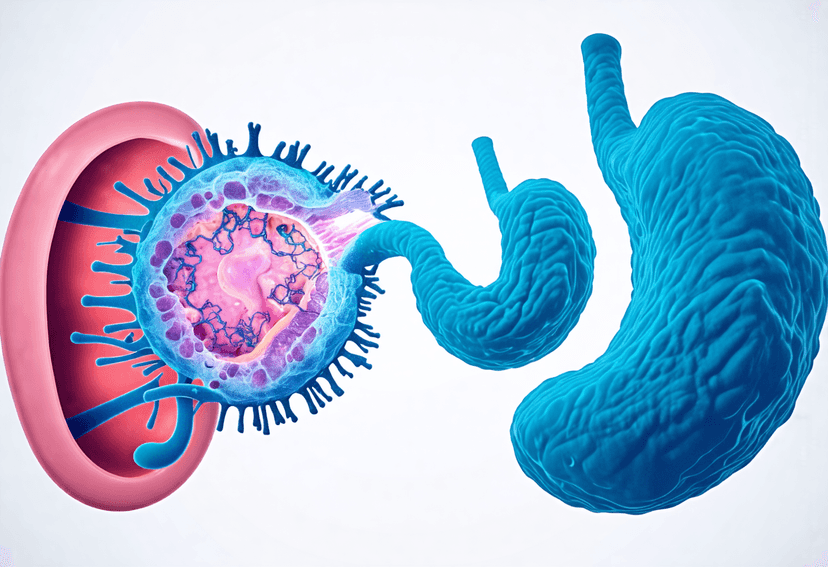
Transforming Lives with Stomach Cancer
Stomach cancer, also known as gastric cancer, begins in the cells lining the stomach. It often develops slowly over many years, with early symptoms that are easy to overlook. Risk factors include a diet high in salty and smoked foods, smoking, a family history of stomach cancer, chronic stomach inflammation, and infection with Helicobacter pylori bacteria. Treatment varies based on the cancer's stage and location and may include surgery, chemotherapy, radiation therapy, targeted therapy, or immunotherapy. Early detection significantly improves treatment outcomes and survival rates.
5.0
94% Rated Value for Money
Benefits Of Stomach Cancer
- Early Detection: Improves the chances of successful treatment.
- Advanced Treatments: Availability of targeted and immunotherapies.
- Symptom Relief: Treatments can alleviate discomfort and improve quality of life.
- Survival Rates: Early and effective treatment can increase survival rates.
- Preventive Care: Lifestyle modifications and regular check-ups can reduce risks.
Why Choose us?

96%
Success Rate

3+
Stomach Cancer Surgeons

1+
Stomach Cancer

4+
Hospitals Around the world

2+
Lives touched
Overview
Stomach cancer, also known as gastric cancer, begins in the cells lining the stomach. It often develops slowly over many years, with early symptoms that are easy to overlook. Risk factors include a diet high in salty and smoked foods, smoking, a family history of stomach cancer, chronic stomach inflammation, and infection with Helicobacter pylori bacteria. Treatment varies based on the cancer's stage and location and may include surgery, chemotherapy, radiation therapy, targeted therapy, or immunotherapy. Early detection significantly improves treatment outcomes and survival rates.
Symptoms
- Indigestion or heartburn
- Loss of appetite
- Nausea and vomiting
- Abdominal discomfort or pain
- Feeling full after eating small amounts of food
- Unexplained weight loss
Causes
- Infection with Helicobacter pylori
- Diet high in salty and smoked foods
- Smoking
- Family history of stomach cancer
- Chronic stomach inflammation (gastritis)
- Certain genetic mutations
The typical steps involved in Stomach Cancer
- Screening and Diagnosis: Includes endoscopy, biopsy, and imaging tests (CT or PET scans).
- Surgical Options: Partial or total gastrectomy to remove the tumor.
- Chemotherapy: Use of drugs to kill cancer cells, often before or after surgery.
- Radiation Therapy: Targeted radiation to destroy cancer cells.
- Targeted Therapy and Immunotherapy: Drugs that specifically target cancer cell mechanisms or boost the immune response against cancer.


Doctors

Director - Surgical Oncology
4.5
Consults at:
Experience: 21 years

Surgeries: 12000+
Your Health data is protected with us

Consultant - Breast Surgery
4.0
Consults at:
Experience: 18 years
Surgeries: NA
Your Health data is protected with us

Consultant - Radiation Oncology
4.0
Consults at:
Experience: 13 years
Surgeries: NA
Your Health data is protected with us
















FAQs
Stomach cancer, also known as gastric cancer, is a type of cancer that starts in the lining of the stomach. It is a serious condition that can spread to other parts of the body if not detected and treated early.