Packages starting from
$5000
Need help in choosing the right package for your medical trip?
Your Health data is protected with us
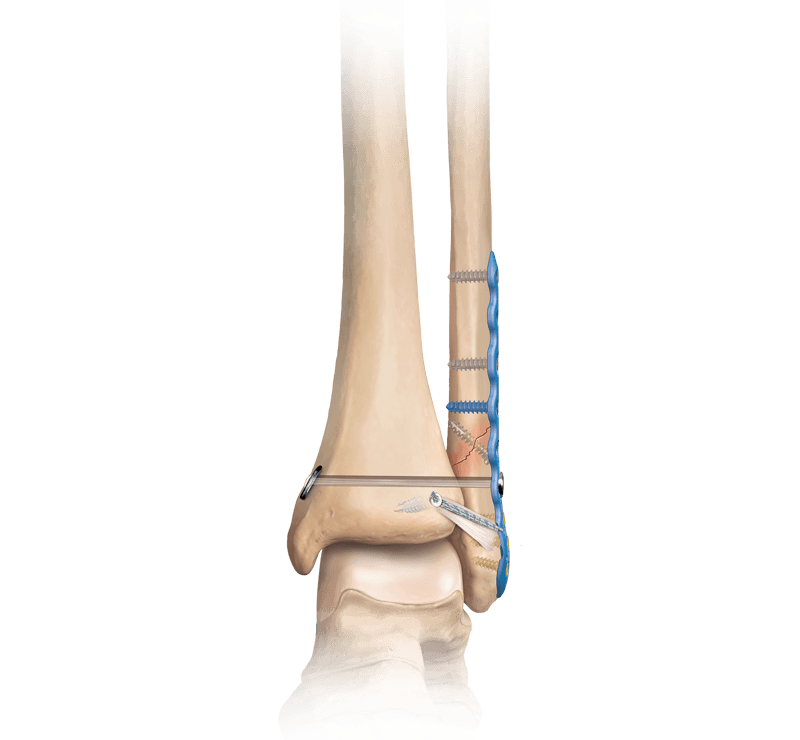
Transforming Lives with Open reduction internal fixation (ORIF)
Open Reduction Internal Fixation (ORIF) is a surgical procedure used to repair and stabilize severe bone fractures. This method involves two main steps: open reduction, where the bone fragments are surgically exposed and realigned, and internal fixation, where hardware such as plates, screws, or rods are used to hold the bones in place during healing. ORIF is commonly used for complex fractures that cannot be adequately treated with casting or splinting alone, such as fractures of the hip, wrist, ankle, or long bones.
Procedure Overview:
Preoperative Preparation:
- Detailed medical evaluation, including physical examination, imaging studies (X-rays, CT scans, MRI) to assess the fracture.
- Discussion of the patient’s medical history, current medications, and any allergies.
Surgical Steps:
- Anesthesia: General or regional anesthesia is administered to ensure the patient is asleep or the surgical area is numb and pain-free throughout the procedure.
- Open Reduction: An incision is made at the fracture site to expose the broken bone. The surgeon realigns the bone fragments into their normal anatomical position.
- Internal Fixation: After the bone is properly aligned, the surgeon uses metal hardware (plates, screws, rods, or pins) to secure the bone fragments. This hardware is designed to remain in place permanently, although in some cases, it may be removed after the bone has healed.
- Closure: The incision is closed with sutures or staples, and a sterile dressing is applied.
Preparation:
- Medical Evaluation: Comprehensive assessments, including imaging studies and laboratory tests, to plan the surgery.
- Pre-Surgery Instructions: Guidelines on fasting, medication adjustments (e.g., stopping blood thinners), and specific preoperative preparations.
- Counseling: Discussion of the procedure, potential risks, and expected outcomes with the surgical team.
Recovery:
- Hospital Stay: Most patients stay in the hospital for a few days for initial recovery and monitoring.
- Postoperative Care: Pain management, use of prescribed medications, and physical therapy to restore function and strength.
- Activity Restrictions: Avoiding weight-bearing and strenuous activities for several weeks, with gradual return to normal activities as guided by the surgeon.
- Follow-Up: Regular follow-up appointments to monitor healing and ensure the hardware remains in place.
Outcomes:
- Effectiveness: ORIF is highly effective in stabilizing complex fractures, allowing for proper bone healing and restoration of function.
- Prognosis: Most patients achieve good to excellent outcomes with appropriate postoperative care and rehabilitation.
- Long-Term Benefits: Improved bone stability, reduced risk of improper healing, and faster return to daily activities compared to non-surgical treatments.
5.0
91% Rated Value for Money
Why Choose us?

99%
Success Rate

1+
Open reduction internal fixation (ORIF) Surgeons

0
Open reduction internal fixation (ORIF)

1+
Hospitals Around the world

0
Lives touched
Overview
Open Reduction Internal Fixation (ORIF) is a surgical procedure used to repair and stabilize severe bone fractures. This method involves two main steps: open reduction, where the bone fragments are surgically exposed and realigned, and internal fixation, where hardware such as plates, screws, or rods are used to hold the bones in place during healing. ORIF is commonly used for complex fractures that cannot be adequately treated with casting or splinting alone, such as fractures of the hip, wrist, ankle, or long bones.
Procedure Overview:
Preoperative Preparation:
- Detailed medical evaluation, including physical examination, imaging studies (X-rays, CT scans, MRI) to assess the fracture.
- Discussion of the patient’s medical history, current medications, and any allergies.
Surgical Steps:
- Anesthesia: General or regional anesthesia is administered to ensure the patient is asleep or the surgical area is numb and pain-free throughout the procedure.
- Open Reduction: An incision is made at the fracture site to expose the broken bone. The surgeon realigns the bone fragments into their normal anatomical position.
- Internal Fixation: After the bone is properly aligned, the surgeon uses metal hardware (plates, screws, rods, or pins) to secure the bone fragments. This hardware is designed to remain in place permanently, although in some cases, it may be removed after the bone has healed.
- Closure: The incision is closed with sutures or staples, and a sterile dressing is applied.
Preparation:
- Medical Evaluation: Comprehensive assessments, including imaging studies and laboratory tests, to plan the surgery.
- Pre-Surgery Instructions: Guidelines on fasting, medication adjustments (e.g., stopping blood thinners), and specific preoperative preparations.
- Counseling: Discussion of the procedure, potential risks, and expected outcomes with the surgical team.
Recovery:
- Hospital Stay: Most patients stay in the hospital for a few days for initial recovery and monitoring.
- Postoperative Care: Pain management, use of prescribed medications, and physical therapy to restore function and strength.
- Activity Restrictions: Avoiding weight-bearing and strenuous activities for several weeks, with gradual return to normal activities as guided by the surgeon.
- Follow-Up: Regular follow-up appointments to monitor healing and ensure the hardware remains in place.
Outcomes:
- Effectiveness: ORIF is highly effective in stabilizing complex fractures, allowing for proper bone healing and restoration of function.
- Prognosis: Most patients achieve good to excellent outcomes with appropriate postoperative care and rehabilitation.
- Long-Term Benefits: Improved bone stability, reduced risk of improper healing, and faster return to daily activities compared to non-surgical treatments.

Doctors

5.0
Consults at: